



May 18, 2025
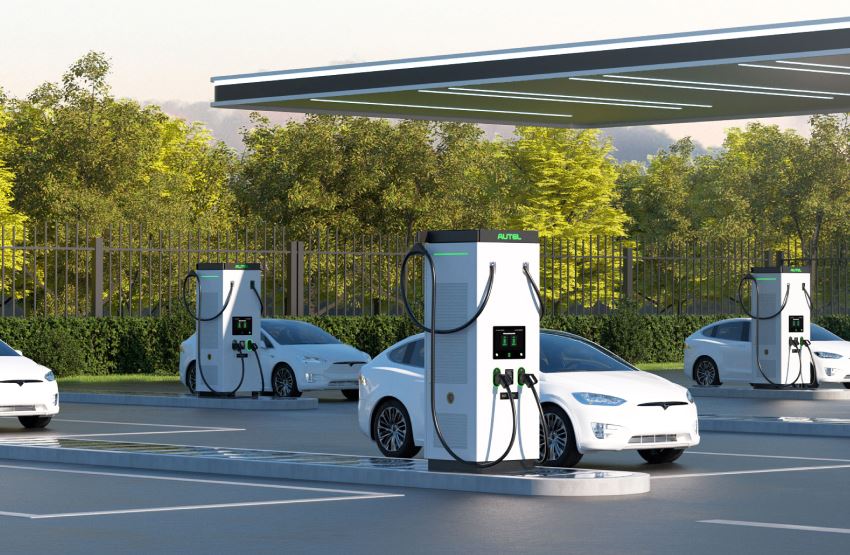
As electric vehicles (EVs) become more common on roads worldwide, the demand for reliable and efficient home charging solutions has grown. Owning an EV is about more than just reducing emissions—it's about convenience, cost savings, and future-proofing your lifestyle. Whether you're a new EV owner or considering the switch, understanding your options for charging at home is critical.
In this guide, we’ll walk through everything you need to know before purchasing a home EV charger, including what features matter most, how to install it, and why choosing the right brand—such as the Autel EV charger—can make all the difference.
Why Home Charging Is Essential
Public charging stations are useful for long trips and emergencies, but for daily use, most EV owners prefer the comfort and reliability of home charging. Here’s why:
-
Convenience: Charge overnight and wake up to a full battery.
-
Cost Efficiency: Charging at home is generally cheaper than public stations.
-
Time-Saving: Avoid the hassle of searching for available public chargers.
A home charging setup is essentially your EV's fueling station, and just like traditional car owners think carefully about fuel costs and station access, EV owners must plan their charging solutions with care.
Types of Home EV Chargers
Before choosing a home charger, it's important to understand the two main types:
Level 1 Chargers
These use a standard 120-volt outlet. They’re slow, offering around 3 to 5 miles of range per hour. For occasional or overnight use with minimal daily driving, Level 1 may suffice.
Level 2 Chargers
Level 2 chargers use a 240-volt outlet and provide much faster charging—typically 15 to 30 miles of range per hour. Most EV owners opt for Level 2 chargers for their efficiency and practicality. The Autel EV charger is a prime example of a high-quality Level 2 charger offering smart features and compatibility with a range of EVs.
Key Features to Look For in a Home Charger
1. Charging Speed
Look for a charger that matches your EV’s capacity and your daily mileage needs. Faster isn’t always necessary, but it helps if you have a long commute or use your EV frequently.
2. Smart Connectivity
Modern chargers come with app connectivity, scheduling options, energy usage tracking, and remote access. These features can help you charge during off-peak hours and manage energy costs more effectively.
3. Durability & Weather Resistance
If your charger is going to be installed outdoors, it needs to withstand the elements. The Autel EV charger, for instance, is built with weather-resistant materials to ensure reliable performance in all climates.
4. Universal Compatibility
Ensure the charger is compatible with your vehicle. Some chargers are tailored to specific brands, while others work universally across most EV models.
5. Safety Certifications
Check for UL listing or similar safety certifications. You don’t want to cut corners when dealing with high-voltage equipment in your home.
Installation: What to Expect
Installing a Level 2 charger usually requires a certified electrician. Here’s a basic breakdown of what to expect:
-
Site Assessment: The electrician evaluates where the charger will be installed—garage, driveway, or wall mount.
-
Electrical Panel Check: Your home's electrical panel must support the additional load.
-
Installation Time: Most installs take 2–4 hours.
-
Permit and Inspection: Depending on your location, permits and inspections may be required.
While DIY installation is possible for technically inclined homeowners, hiring a professional ensures the job meets safety and building code standards.
Why Choose an Autel EV Charger?
When researching home chargers, one brand that consistently ranks high for reliability and innovation is Autel. Here’s what sets it apart:
-
Fast Charging: Delivers high-speed charging suitable for daily use.
-
Smart App Integration: Easily monitor your charging sessions, schedule during low-cost energy hours, and receive alerts.
-
Durable Build: Designed for both indoor and outdoor installations with superior weather protection.
-
Universal Compatibility: Works with all major EV brands and models.
-
Customer Support: Known for responsive support and user-friendly guides.
The Autel EV charger isn't just a device—it’s a long-term investment in your EV lifestyle. With intuitive features and reliable performance, it takes the guesswork out of home charging.
The Cost Factor: What You’ll Pay
Initial costs for a home charger can vary widely:
-
Charger Unit: $400 to $1,000 depending on features.
-
Installation: $300 to $1,200 based on complexity.
-
Incentives: Many states, utilities, and federal programs offer rebates and tax credits for installing EV chargers.
Don’t forget to check local programs—you might be eligible for up to 50% back on your setup costs.
Environmental & Financial Benefits
Charging your EV at home not only reduces emissions but can also save money over time:
-
Lower Fuel Costs: Electricity is often cheaper than gasoline.
-
Reduced Maintenance: EVs generally have fewer moving parts and lower long-term maintenance costs.
-
Eco-Friendly: Reducing your carbon footprint starts with how you fuel your vehicle.
If you pair your home charger with solar panels, you can drive nearly for free while significantly cutting your household's environmental impact.
Common Mistakes to Avoid
Before wrapping up, here are a few pitfalls to steer clear of:
-
Choosing Based on Price Alone: A cheap charger may lack the features or durability you need.
-
Skipping a Professional Install: Improper installation can be unsafe and lead to costly repairs.
-
Not Checking Compatibility: Make sure the charger fits your EV’s specifications.
-
Ignoring Software Features: Smart chargers can lower your energy bills and extend battery life.
Being informed before you buy will help you avoid headaches down the road.
Final Thoughts
Investing in a high-quality home EV charger is one of the smartest moves you can make as an EV owner. It saves time, reduces your reliance on public infrastructure, and ensures your vehicle is always ready to go.
Posted by: JudyMurphy at
06:38 AM
| No Comments
| Add Comment
Post contains 951 words, total size 12 kb.
34 queries taking 0.0243 seconds, 77 records returned.
Powered by Minx 1.1.6c-pink.

